
Polar preservation

In early 2026, our very own Laila was one of 11 young people from around the world to get a scholarship to travel to the Subantarctic Islands and the Ross Sea, learning about conservation efforts in the region.
The trip – called In the Wake of Scott & Shackleton: Ross Sea Antarctica True Young Explorer Scholarship – has seen her become an ambassador for the Antarctic and an advocate for the protection of Antarctica as a whole.
She recounts her experiences for Ethos magazine, issue 24.
When people imagine Antarctica, their minds run to towering icebergs and vast lands of snow and, most importantly, complete and total silence. It’s easy to understand why. The movement of wildlife sits completely undisturbed and the human footprint remains remarkably small. Yet, beneath this Narnia lies one of the most protected regions on Earth.
In this perfectly preserved location, conservation and responsibility isn’t optional; it’s essential. During my four weeks on our expedition, I learnt an incredible amount about ecology and ocean sustainability: how scientists study it, how conservation has been adapted to such a fragile, remote land and how even the tiniest of actions can help protect delicate ecosystems. Flying through Manchester, Doha and Melbourne in February this year, before boarding a purpose-built expedition ship in New Zealand, my experience showed me how many different approaches work together to safeguard the Southern Ocean.
Science is the foundation
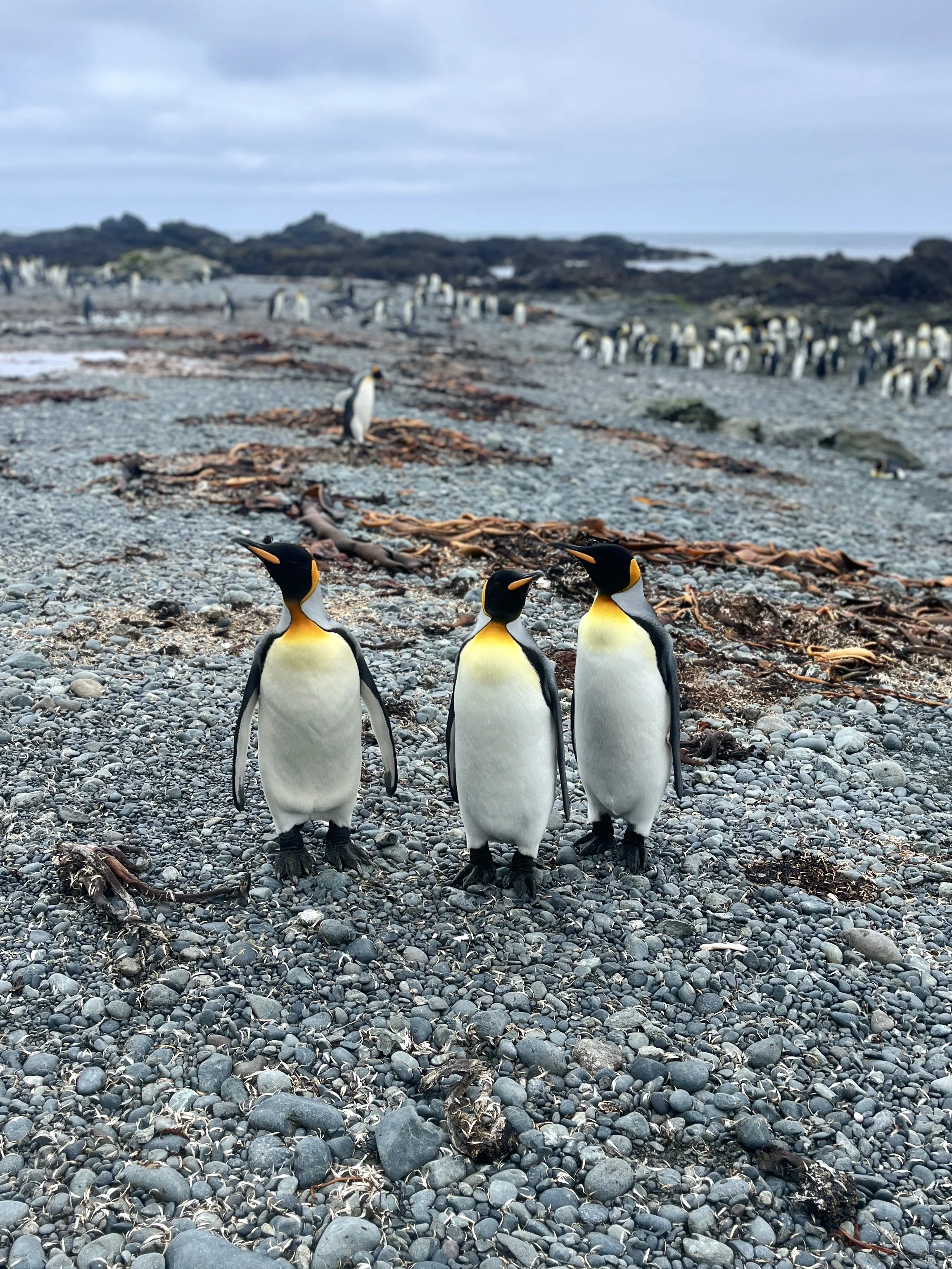
Sustainable management in the Antarctic Ross Sea requires a deep understanding. Throughout our voyage, scientific experiments, charts and monitoring became part of our daily routine.
One of our most hands-on tasks was water sampling. At regular intervals, we would lower sampling equipment into the sea to collect water from beneath the dark surface. What looked like a routine procedure from the deck actually revealed the hidden workings of the Antarctic ecosystem.
Within those samples was phytoplankton, which we sent to an ocean ecology lab in North Carolina for analysis of microscopic marine life. At the North Carolina facility, a portion of the plankton samples collected in the Ross Sea were placed in a dark box for two days before being analysed. Removing light puts a stop to photosynthesis and allows scientists to observe how the organisms respond.
Phytoplankton may be invisible to the human eye, but they play a significant part in the ocean’s feeding system. These tiny organisms support everyone, from the smallest of krill to the greatest of whales, whilst also playing a major role in absorbing carbon dioxide from the atmosphere. Studying phytoplankton allows scientists to understand how Antarctic ecosystems respond and adapt to environmental change.
Preserving Antarctica’s human heritage
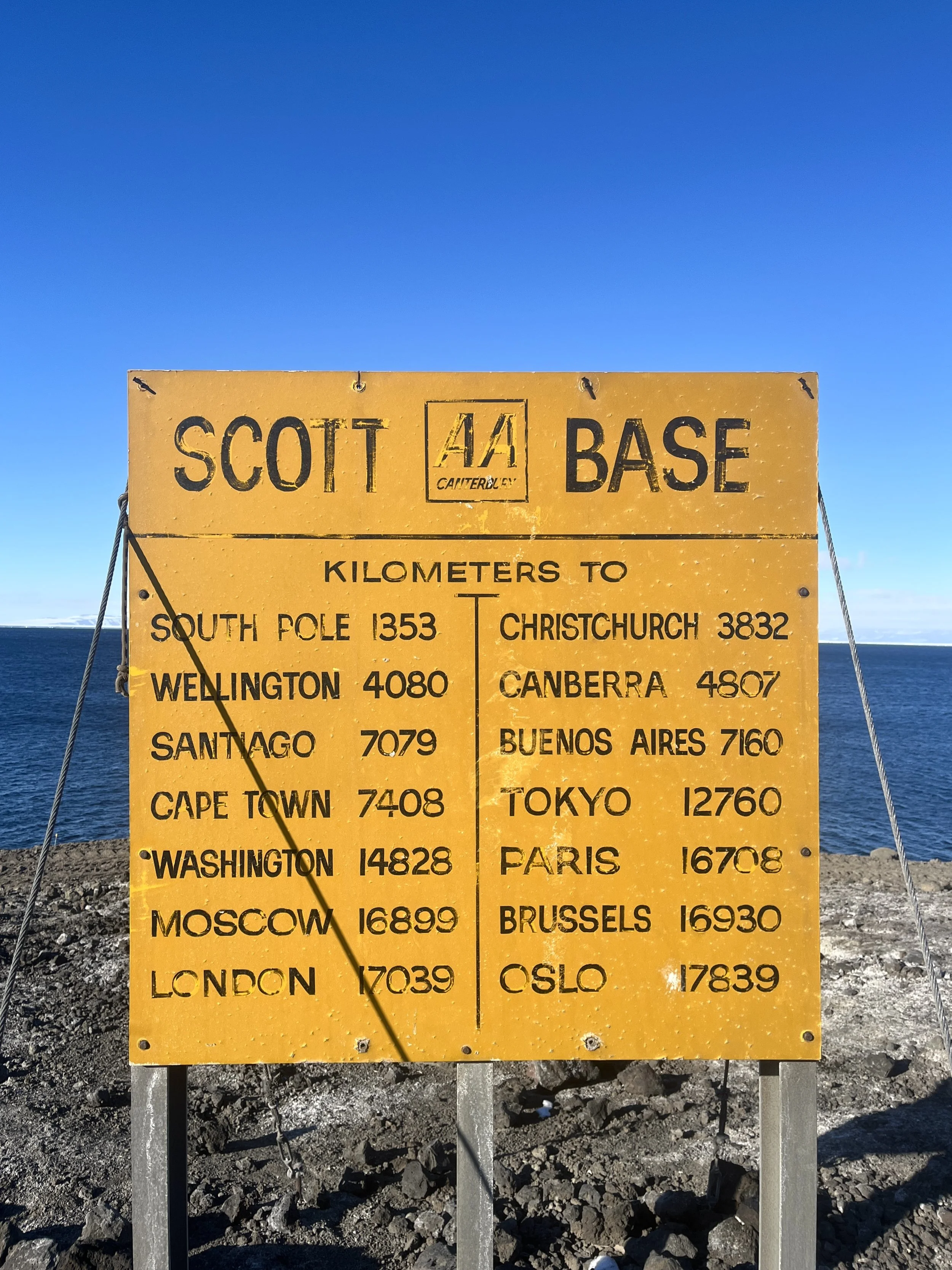
Conservation in Antarctica also includes protecting its notable historical legacy of the early explorers.
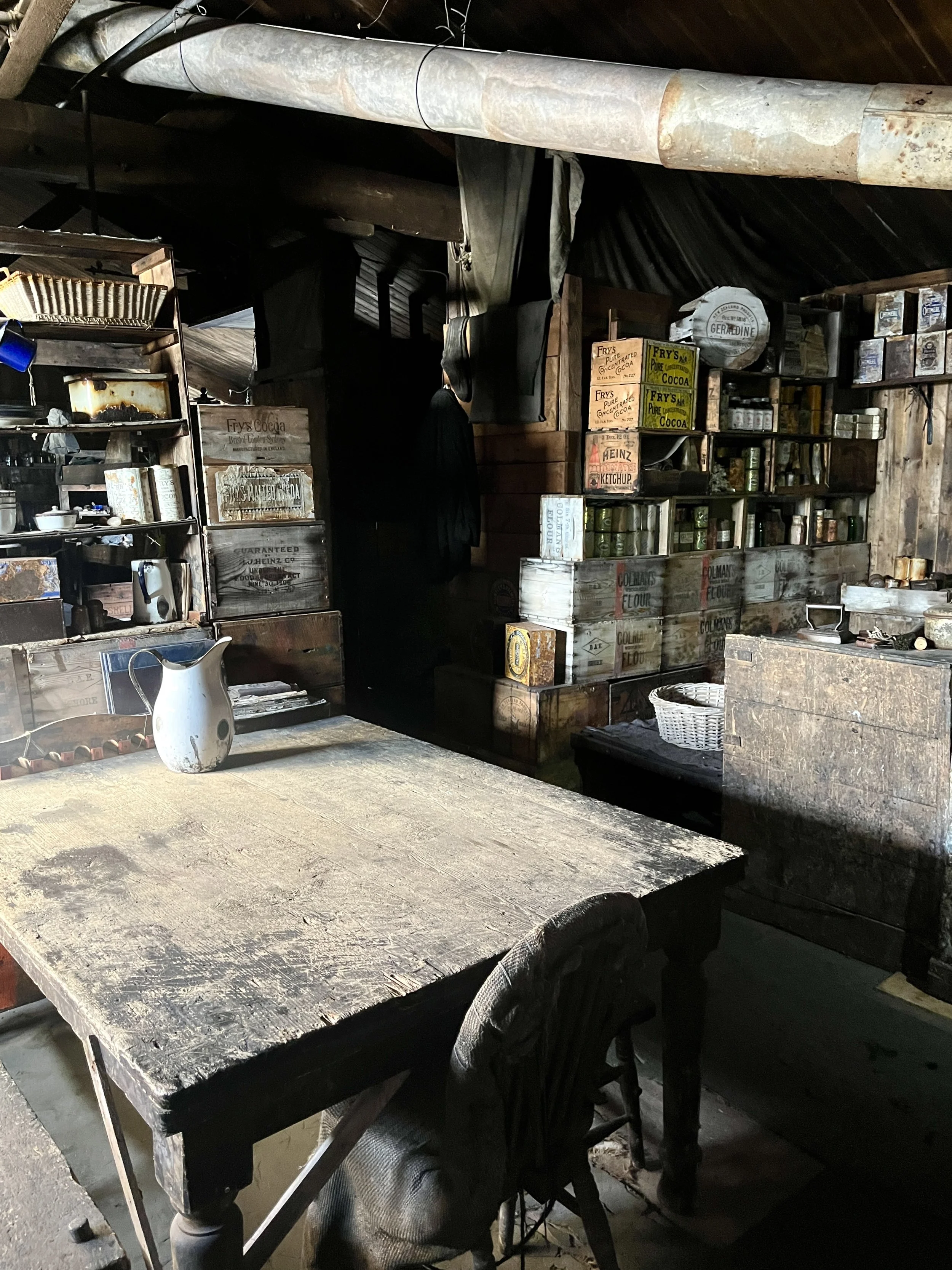
Along the coastline of the Ross Sea stand several expedition huts, several dating back to the early twentieth century. Thanks to the sublime weather conditions, we managed to reach the five huts that play such a role in expeditionary folklore, including Robert Falcon Scott’s Hut, Ernest Shackleton’s Hut and Borchgrevink’s Hut. Built by these early explorers, the huts stand remarkably well-preserved in the cold Antarctic climate.
Our visits were guided by one of the main hut conservation experts, Al Fastier, whose incredible work keeps these fragile sites intact. The Antarctic Heritage Trust has carried out essential repairs, like hand-stitching the fabric on the roof of Scott’s Hut and makes sure that every visitor follows strict biosecurity protocols, including checking that our boots are completely clear of dirt and dust before entry. Inside, hundreds of artefacts remain exactly as they were left – personal belongings that continue the paused story of human exploration all of those years ago.
Preserving these historic huts reflects a broader understanding of sustainability. It’s not just about maintaining the natural environment and ecosystems, but also maintaining, and appreciating the cultural heritage connected to Antarctica’s explorative and scientific history. Remaining hopeful, these sites can endure for generations to come, through careful conservation and responsible visitation.
Protecting an intact marine ecosystem
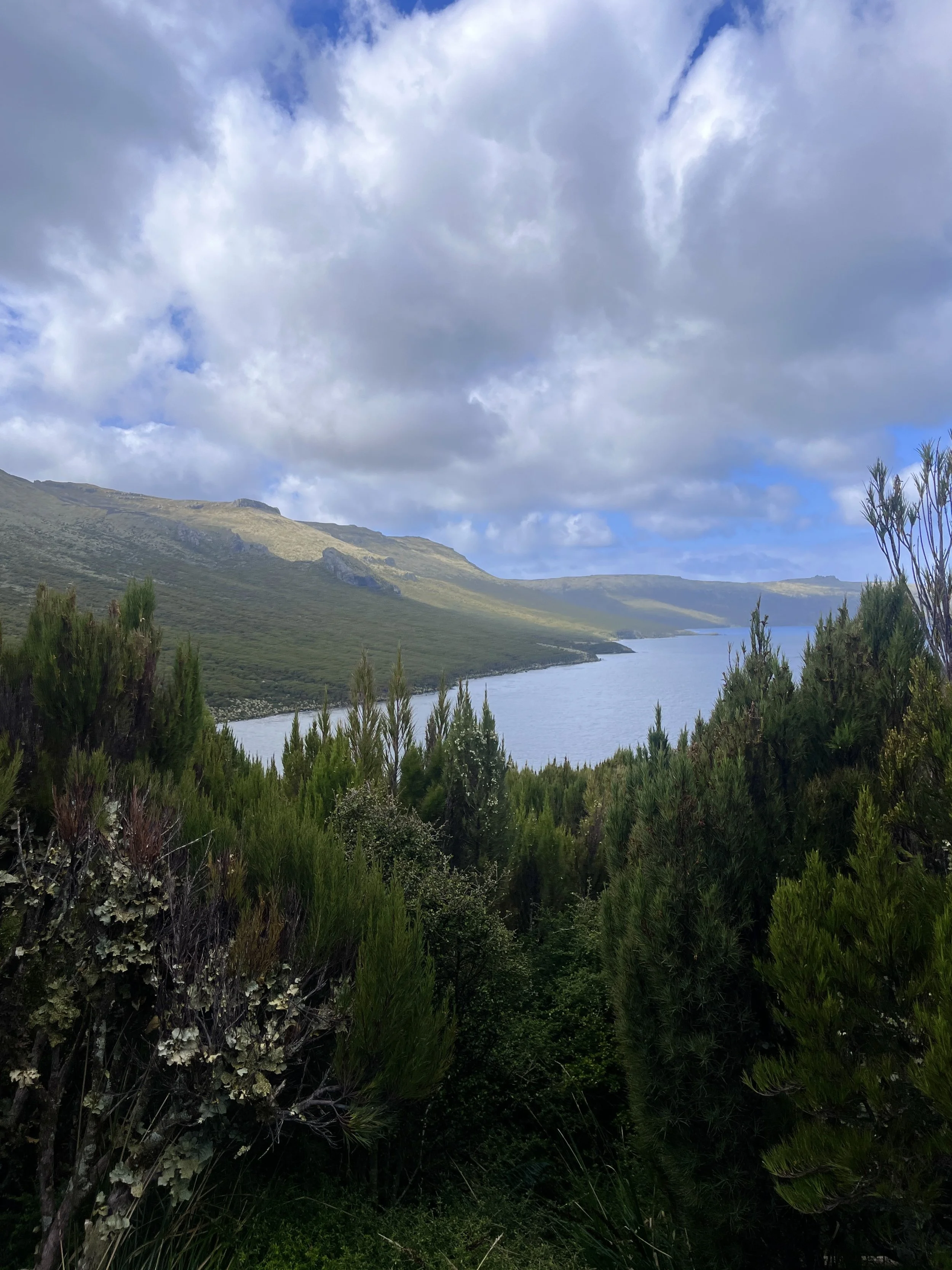
One of the most impressive aspects of the Ross Sea is the pristine health of its marine ecosystem. In contrast to many other areas of the world’s oceans, this region remains relatively undisturbed and this was made clear by the many wildlife encounters during our expedition.
Colonies of adorable Adélie penguins clustered along the shorelines, while the adaptable Gentoo penguin nestled on nearby beaches. A lone Emperor penguin – the largest of all penguin species, reaching up to 120cm in height – was one of the most eminent sights. Out at sea, we saw Weddell seals resting on ice floes and elusive Beaked whales surfacing nearby.
Protecting these vital ecosystems is central to sustainability. The Ross Sea forms part of a large marine protected area, designed to conserve biodiversity and maintain ecological balance. Observing these thriving populations highlighted to us how effective careful management and conservation efforts can be in preserving an entire marine food web.
Citizen science in action
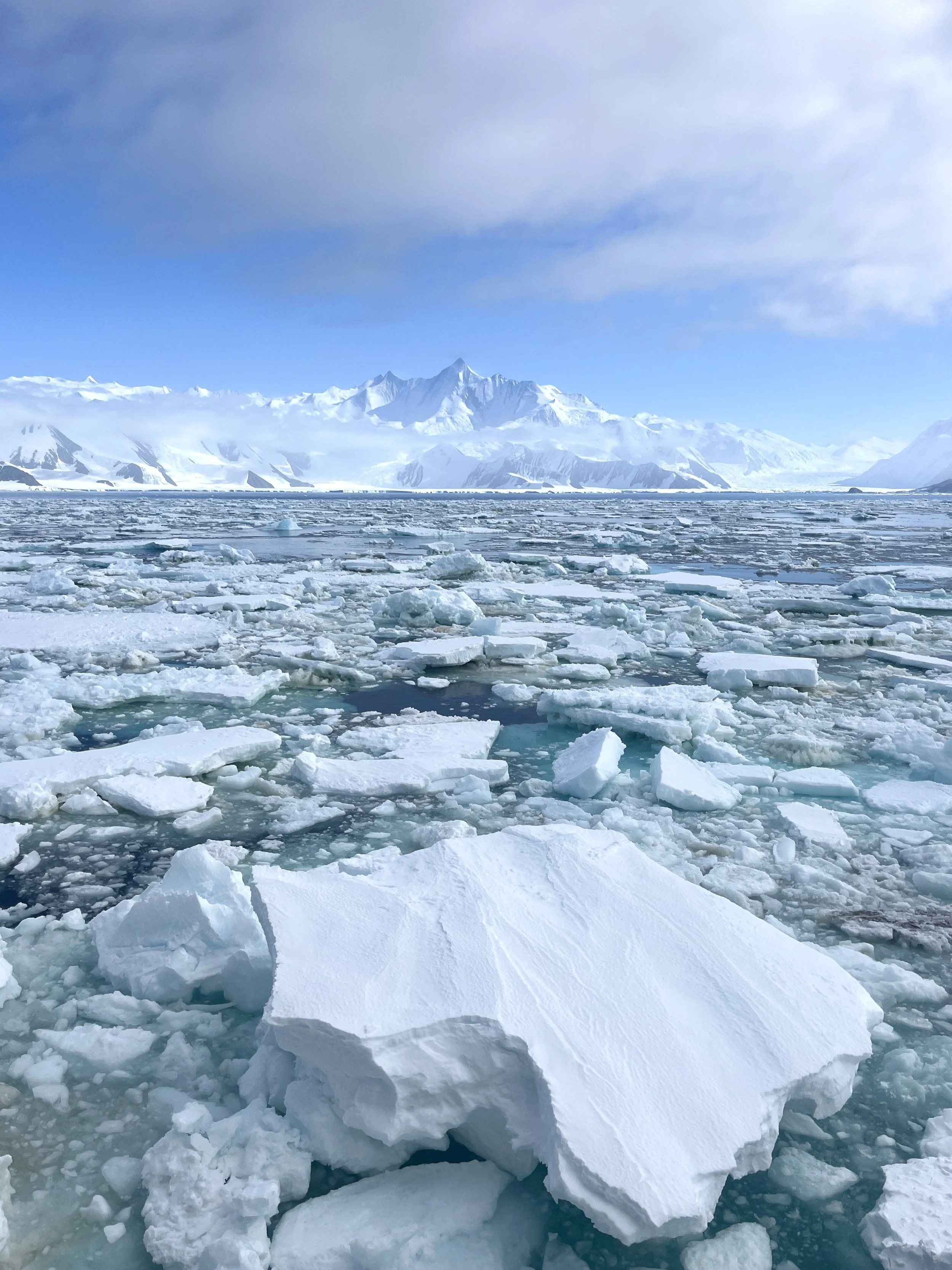
Sustainability in Antarctica crucially relies on ongoing data collection which anyone, passenger or pilot, can contribute to through citizen science. On our expedition, we participated in programmes like eBird, recording penguin and seabird activity to help monitor populations and migrations, and HappyWhale, logging whale sightings and behaviours to contribute to a global database tracking these safeguarded species.
By documenting what we saw, we became part of a larger network, helping scientists explore and understand the health of polar ecosystems. Citizen science ensures that conservation extends beyond formal research – it allows anyone to contribute to the protection and long-term monitoring of one of the world’s last relatively untouched oceans.
Lessons from the Subantarctic Islands
Our voyage also took us to several Subantarctic Islands – The Snares, Enderby Island, Macquarie Island and Campbell Island – each with its own unique ecosystems and, of course, conservation challenges. At first, I didn’t really understand why we were visiting these remote islands; it felt like we were just stepping onto rocky outcrops in the middle of nowhere, but learning about their important history changed my perspective.
On Enderby Island, for example, we saw the remnants of an old settlement, now respected as the Enderby Settlement. Humans had once lived and worked there and the introduction of non-native species, such as animals and plants, left a lasting impact on the ecosystem. Today, strict pest control and eradication programmes are in place, removing invasive species and allowing native flora and fauna to recover.
Macquarie Island, in particular, was absolutely awe-inspiring. It’s home to over 800,000 pairs of penguins, including the Royal penguin, a species found only on this island. Witnessing these colonies in such incredible numbers underscored the importance of preserving isolated habitats, where species have evolved without human disturbance.
Biosecurity remained a priority throughout all landings. Before stepping ashore, we cleaned and disinfected our boots, ensuring no seeds or soil were accidentally carried from one island to another.
My time in the Ross Sea

My expedition to the Subantarctic Islands and Ross Sea showed me that sustainability is as much about careful observation and scientific research as it is about action.
From water sampling to monitoring penguins and whales, each and every activity highlighted how ecosystems depend on restoration and ongoing study. Visiting historic huts and witnessing conservation successes on islands like Enderby and Macquarie reinforced the importance of responsibility in even the smallest of actions.
Antarctica demonstrates that proactive, collaborative care can preserve both natural and cultural heritage – lessons that can guide sustainable practices around the world for generations.
